
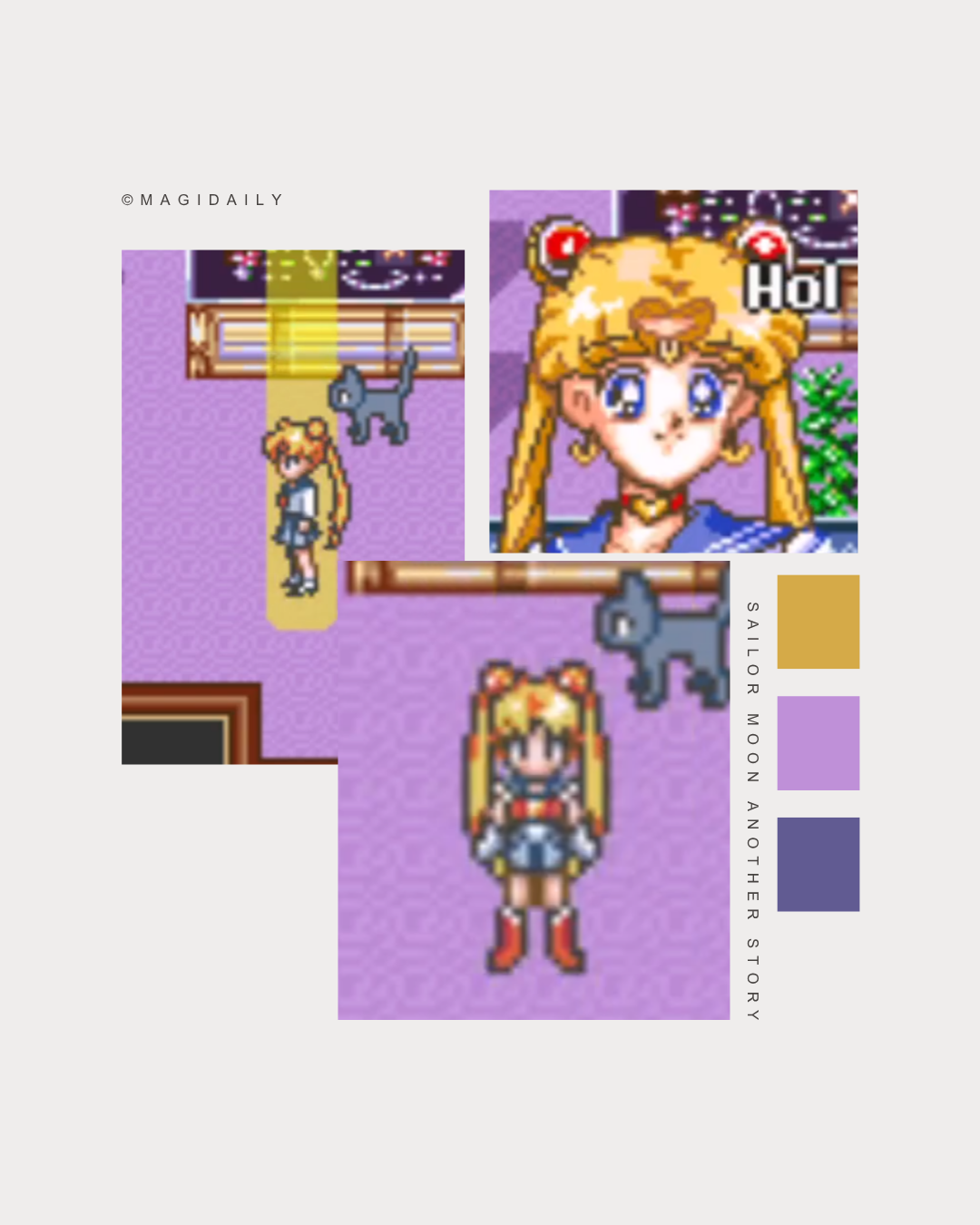
We have seen transformations in manga panels, animated cels, live-action footage, and theater stages. But there is one medium where the transformation belongs to you directly: video games.
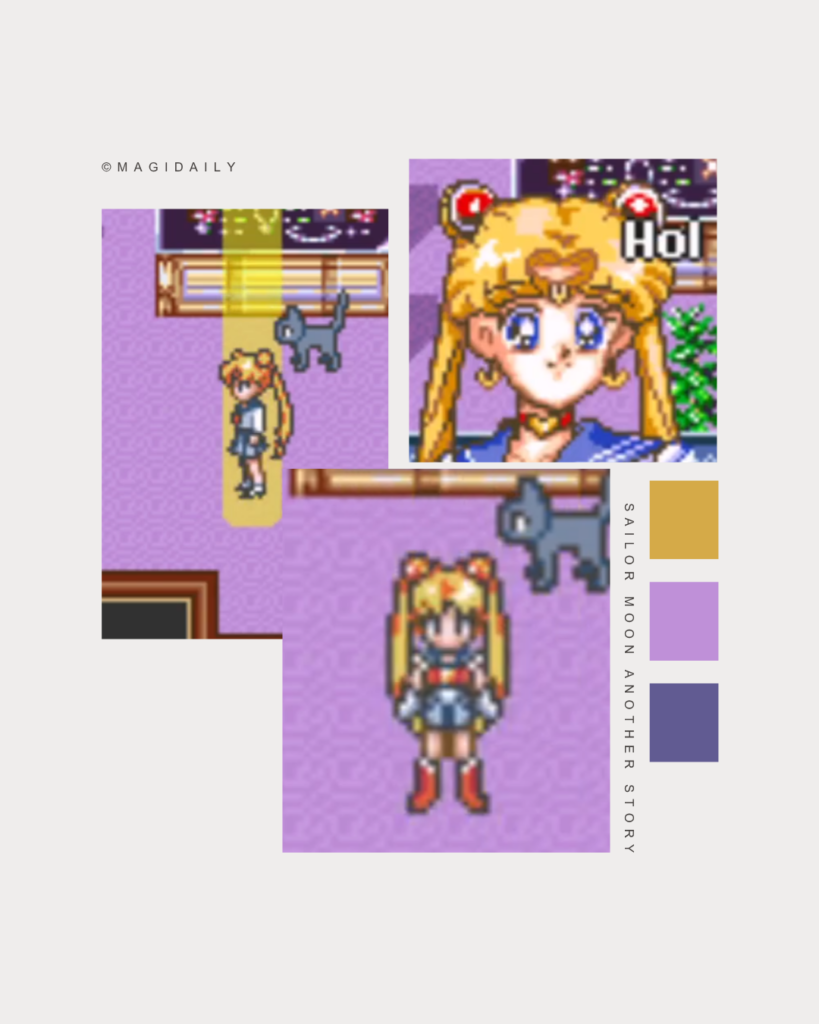
The earliest magical girl titles on systems like the Super Famicom and Mega Drive faced strict graphical limits, where the initial transformation was often reduced to a quick sprite swap or an automatic pre-level event. However, as technology evolved, so did the player’s agency.
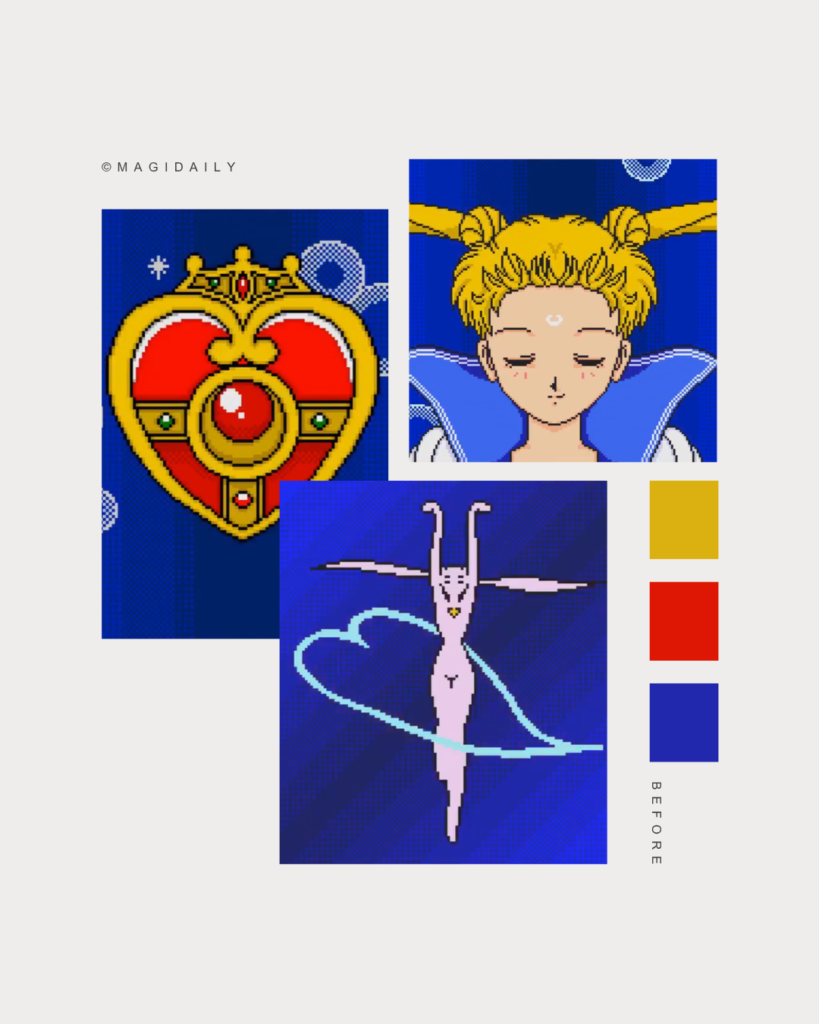
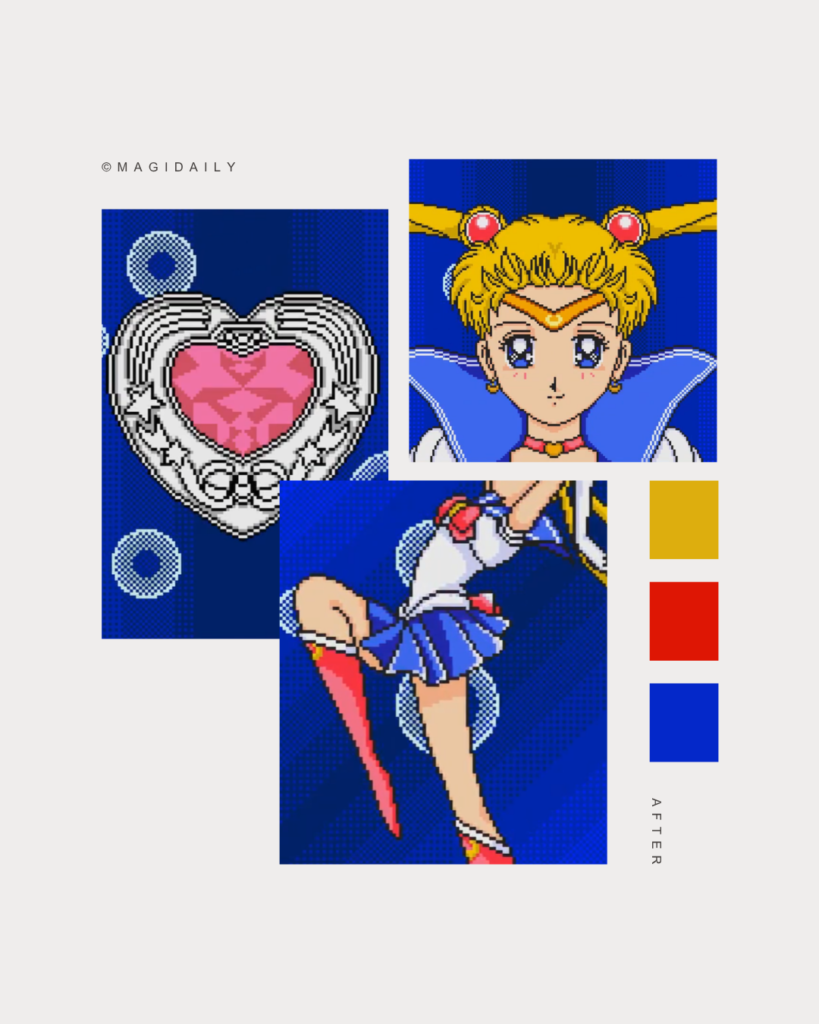
Modern mobile titles and rhythm games now introduce touchscreen Quick Time Events to these iconic sequences. You swipe your finger along the path of the light. You tap in rhythm with the music. Your fingerprint literally guides the magic. This is the closest a fan can get to being inside the transformation, physically participating in the creation of the visual effect.

What games add to our understanding of the transformation sequence is simple but profound. In every other medium, the transformation is a visual gift handed to you by the narrative. In a game, you reach out and take it yourself.