
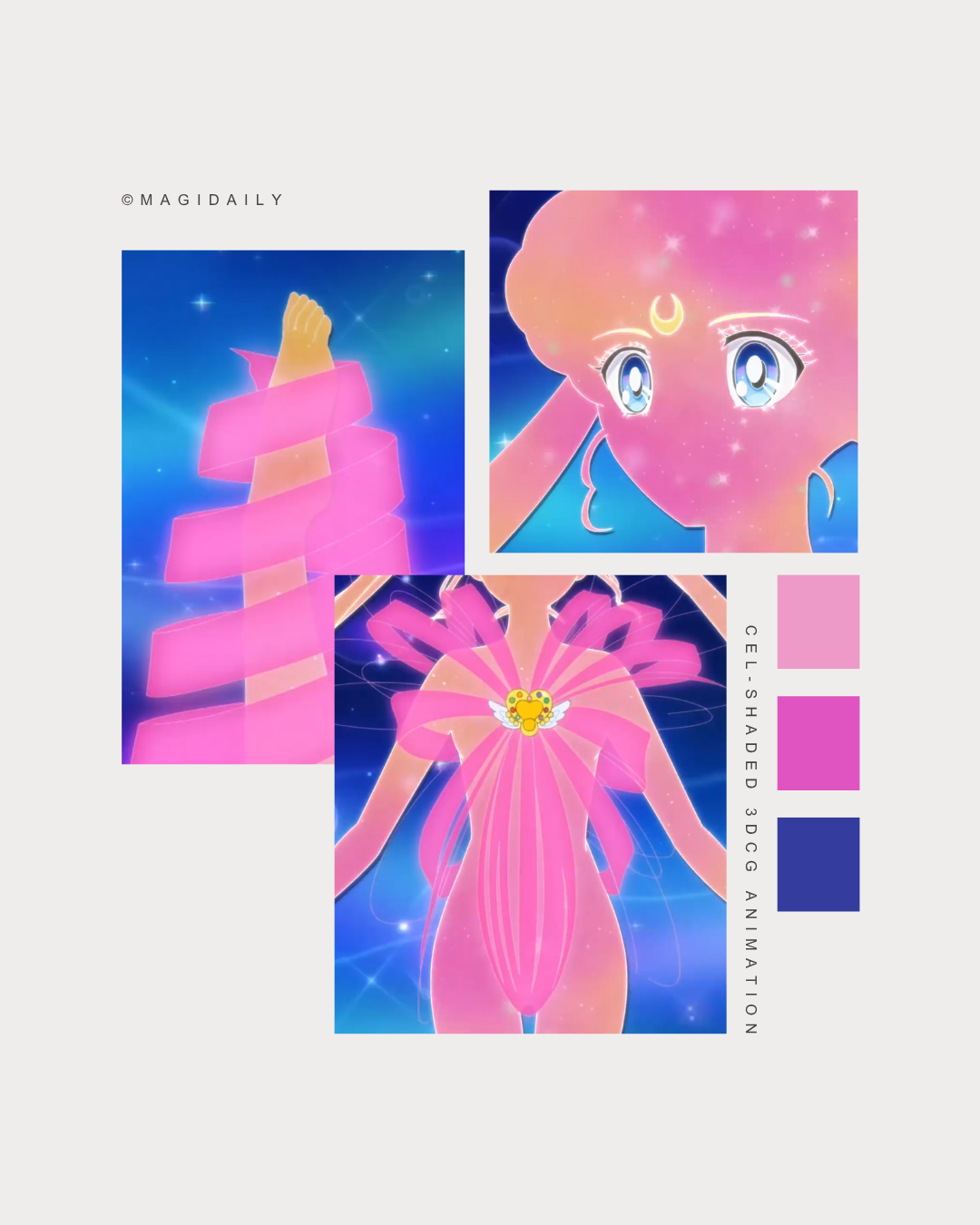
Transformation sequences have always pushed the limits of animation technology. In the cel era, layers of hand-painted acetate and multiple exposures created the glowing light effects that defined 1990s classics. Today, digital tools are rewriting what is possible.
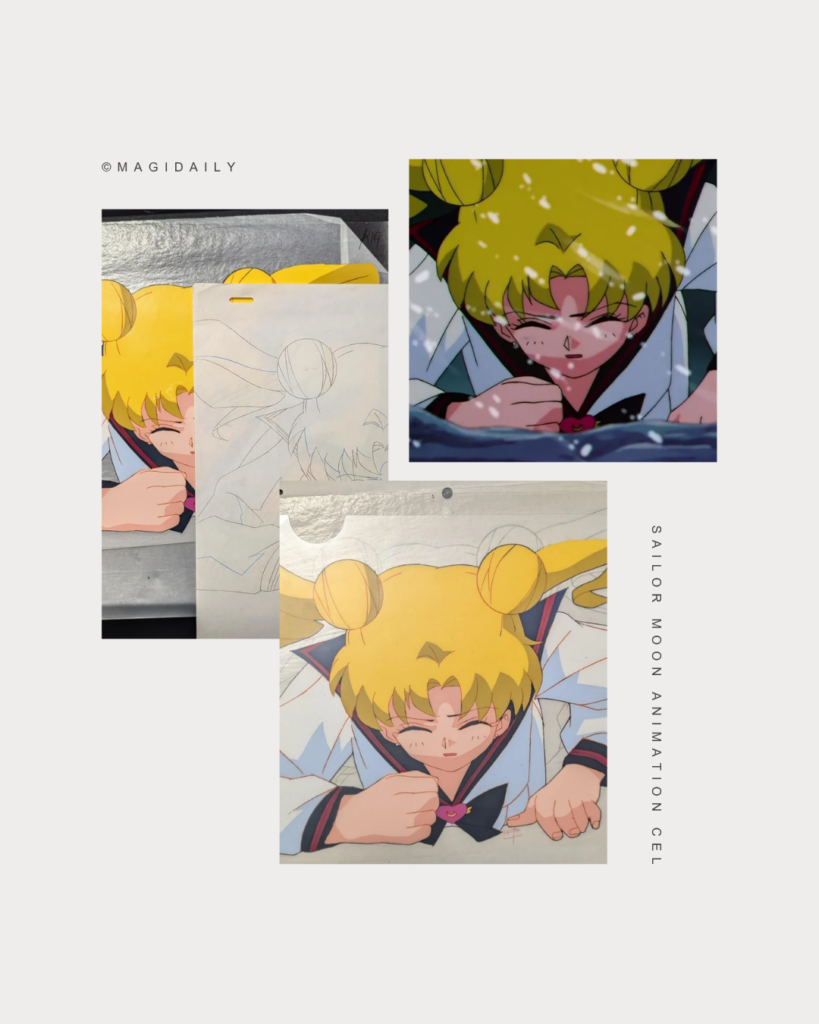
Modern magical girl series use a mix of 2D hand-drawn animation and 3D CGI to create transformation sequences that would have been impossible thirty years ago. Cameras can now spin 360 degrees around a transforming character. Light effects can be layered with precision that cel animation could never achieve. Particle systems generate thousands of individual sparkles, each one moving independently. The result is sequences that are smoother, more detailed, and sometimes controversial among fans who miss the warmth of hand-painted cels.
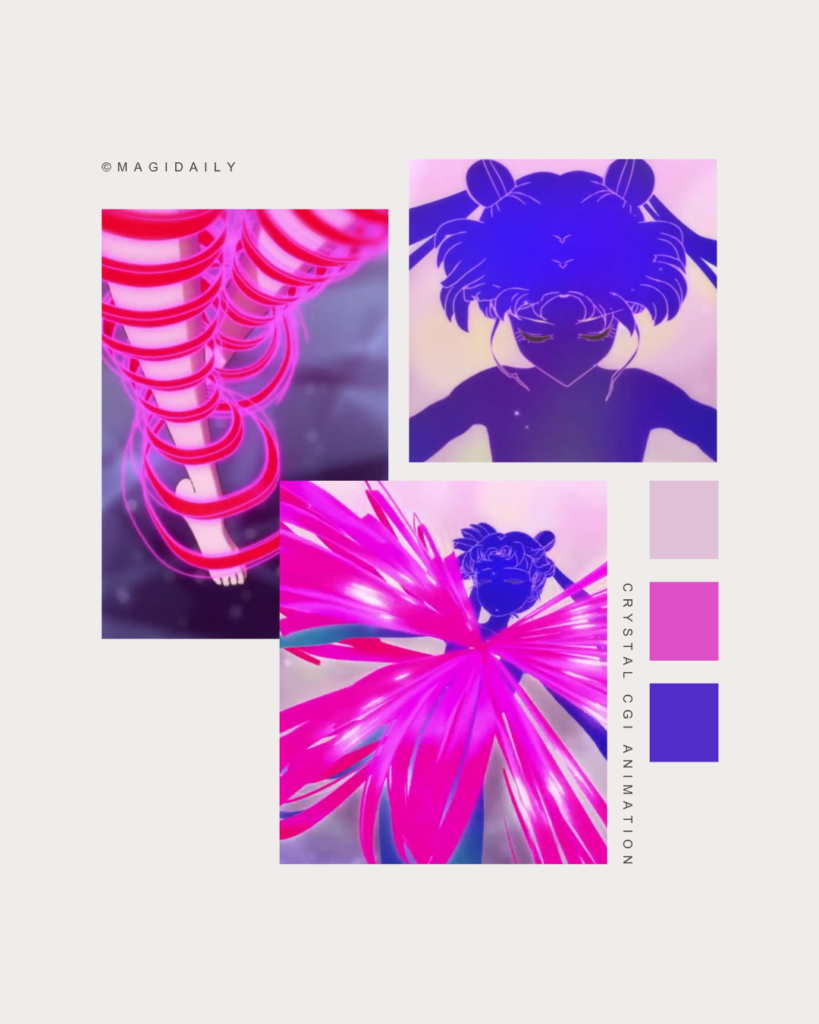
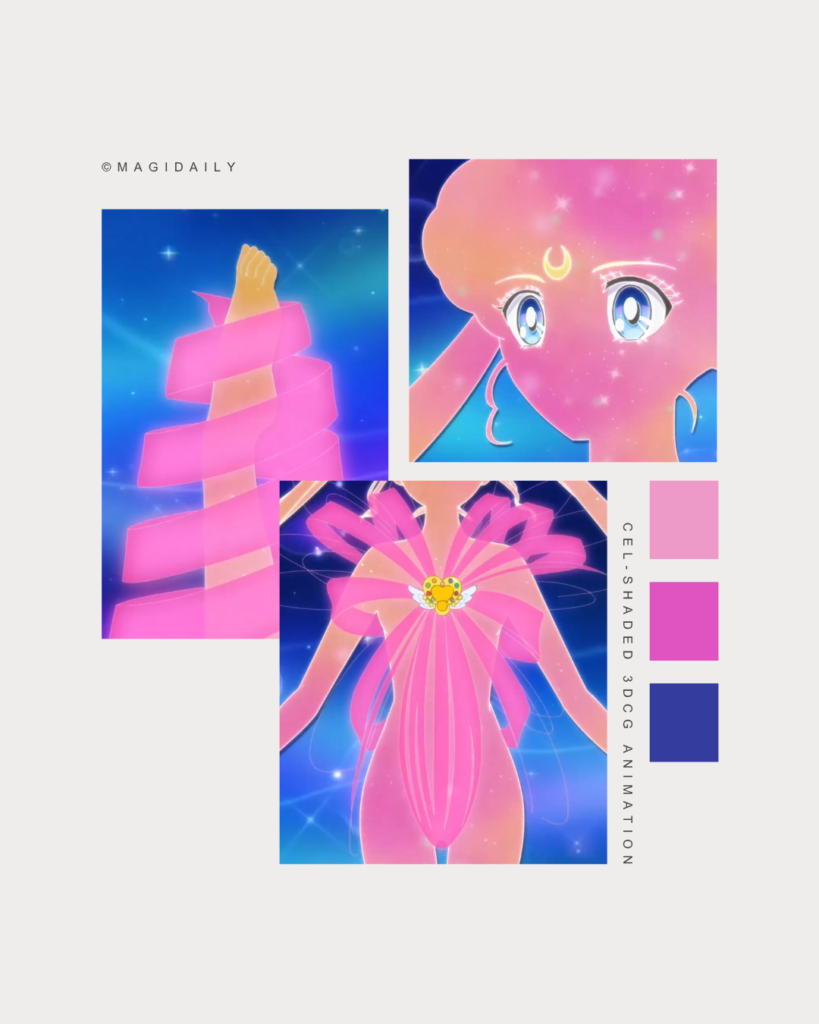
One notable trend is the use of CGI character models for transformation sequences while keeping the rest of the episode in traditional 2D. This hybrid approach, used by recent magical girl reboots, allows for dynamic camera movement and complex lighting during the transformation without blowing the production budget. Critics argue it can make characters look like plastic dolls. Supporters say it opens up creative possibilities that were never available before.
Another development is the influence of video game engines on transformation animation. Real-time rendering tools, originally built for games, are starting to appear in anime production pipelines. This could eventually mean shorter production times and more elaborate transformations, but also raises questions about how the art form will evolve.

For the transformation archive, these changes matter. Every new tool, every new technique, leaves a mark on the sequences we document. Understanding how the technology works helps us understand what we are really watching.