
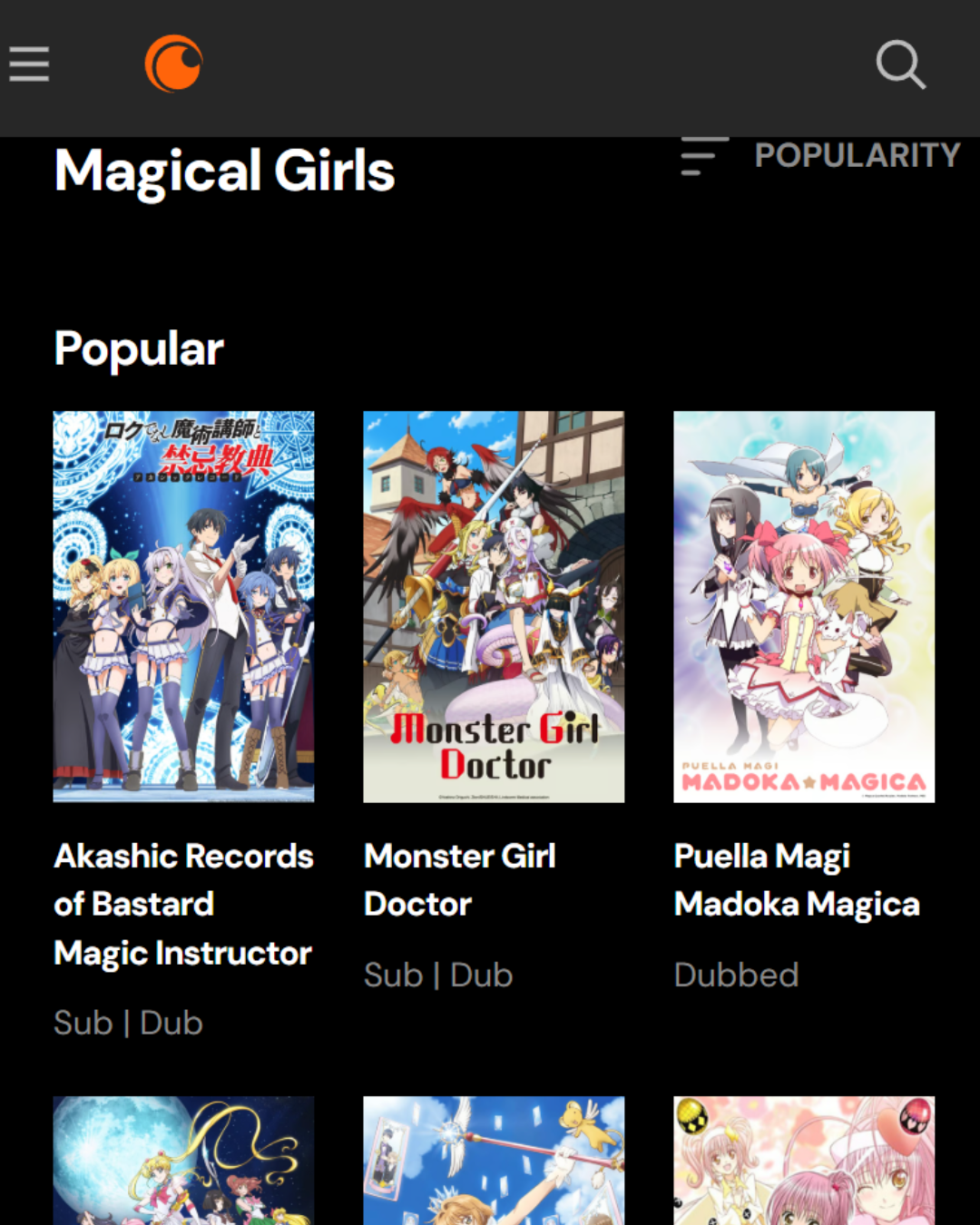
The magical girl genre is experiencing a quiet renaissance on streaming platforms. Services like Crunchyroll, Netflix, and Hulu have been steadily expanding their libraries of classic and contemporary magical girl titles, and the numbers suggest that audiences are responding.
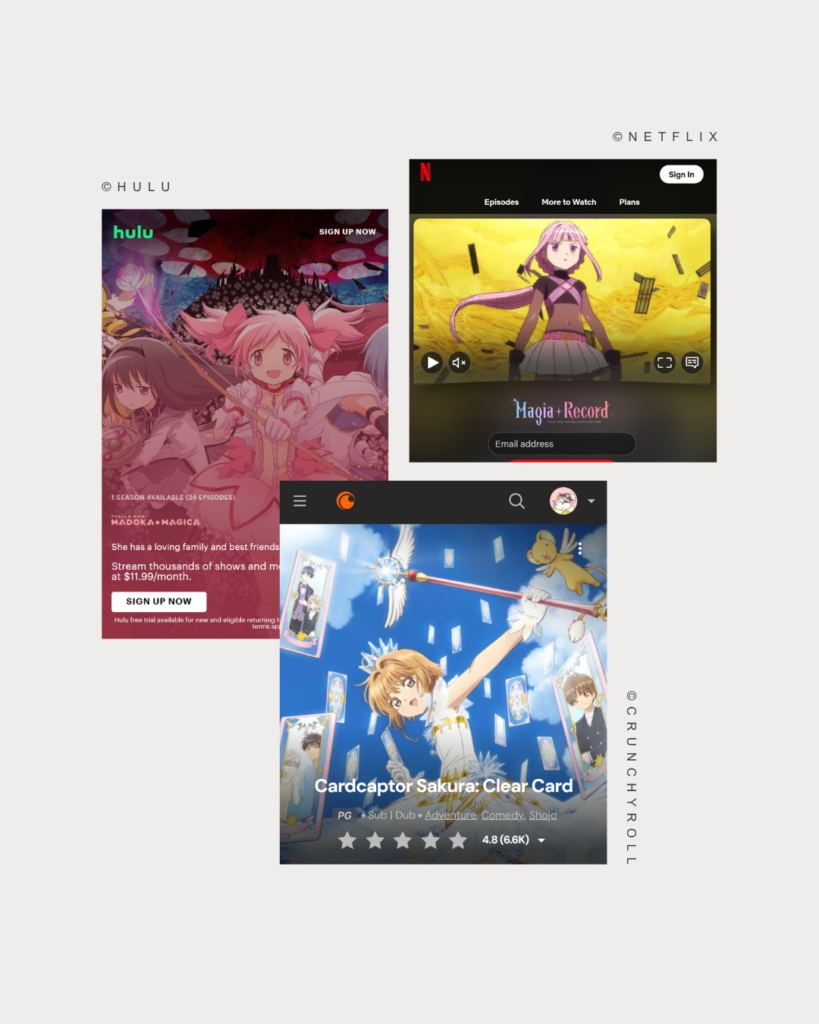
Several factors are driving this trend. First, nostalgia: viewers who grew up with Sailor Moon and Cardcaptor Sakura in the 1990s and early 2000s are now returning to these series as adults, often introducing them to their own children. Streaming makes this intergenerational sharing easier than ever before. A parent can pull up the exact episode of Sailor Moon they remember watching after school and watch it with their child on a Saturday morning.
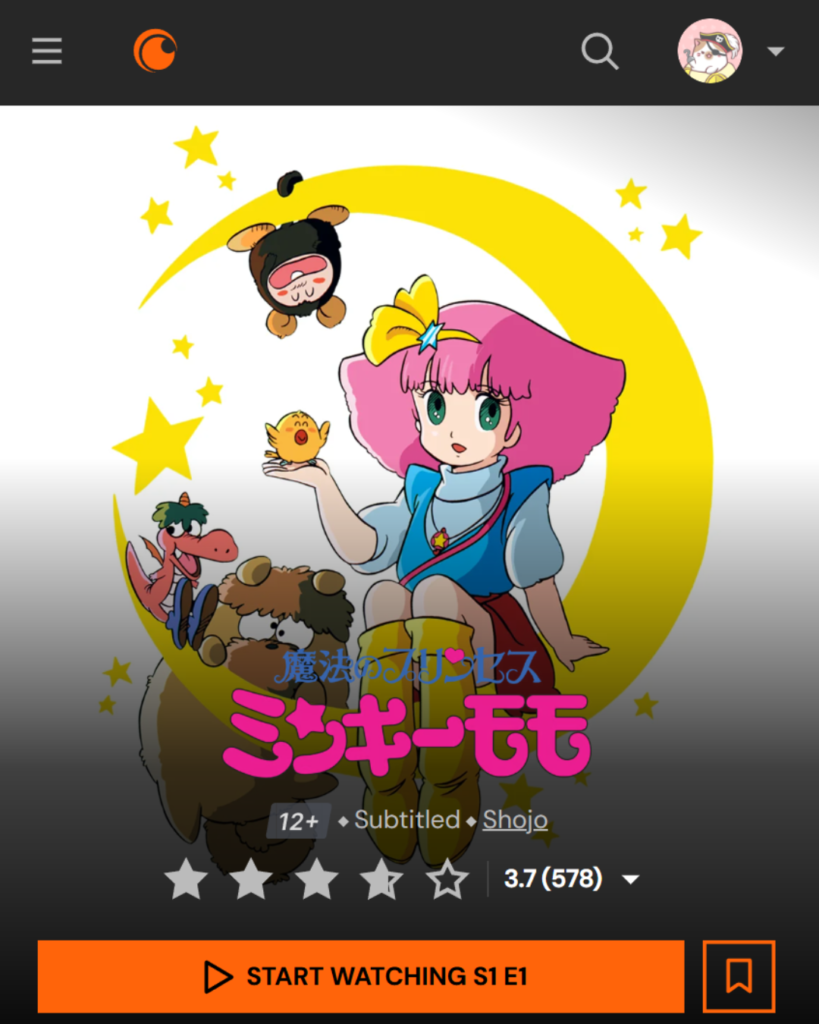
Second, international availability is improving. Shows that were once difficult to find outside of Japan—older series like Minky Momo, obscure OVAs, and even stage musical recordings—are starting to appear on niche streaming catalogs. For the transformation archive, this means more fans will have access to sequences that were previously hard to research and document.
Third, new audiences are discovering the genre through cultural osmosis. As anime continues to grow as a global medium, viewers who started with action-heavy shonen titles are branching out and discovering magical girl stories. The emotional depth, striking visual design, and elaborate transformation sequences often surprise newcomers who may have underestimated the genre.
For MagiDaily, this trend is good news. A growing audience means more people searching for context, comparison, and analysis of the transformation sequences that define the genre.